

Biodiesel Production Plant,
Biodiesel Manufacturing Plant
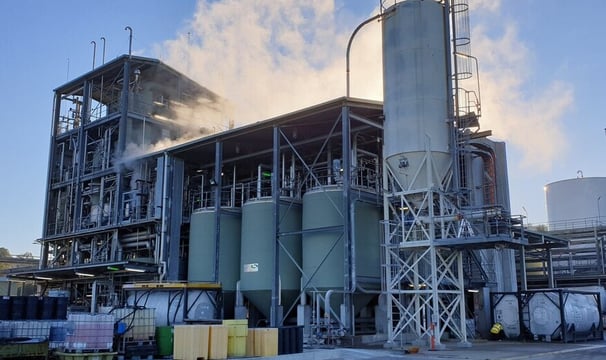
Biodiesel is produced from vegetable oils, yellow grease, used cooking oils, or animal fats. The fuel is produced by transesterification—a process that converts fats and oils into biodiesel and glycerin (a coproduct). Approximately 100 pounds of oil or fat are reacted with 10 pounds of a short-chain alcohol (usually methanol) in the presence of a catalyst (usually sodium hydroxide [NaOH] or potassium hydroxide [KOH]) to form 100 pounds of biodiesel and 10 pounds of glycerin (or glycerol). Glycerin, a co-product, is a sugar commonly used in the manufacture of pharmaceuticals and cosmetics.
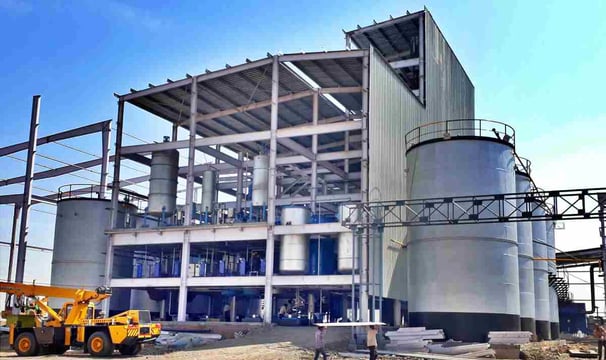
Biodiesel Production Plants are facilities that convert vegetable oils, animal fats, and even used cooking oils into a clean-burning, renewable fuel source. Biodiesel is a biodegradable and sustainable alternative to traditional fossil fuels, which can help reduce greenhouse gas emissions and improve air quality. The production process of biodiesel involves a chemical reaction called transesterification, which converts the fats and oils into a fuel that can be used in diesel engines. This process is relatively simple and can be done using basic equipment and technology. At a biodiesel production plant, you will find a variety of equipment, including reaction vessels, separation tanks, and storage tanks. These plants also have equipment for handling, processing, and storing raw materials, as well as waste management systems. In addition to producing biodiesel, these plants must also adhere to strict environmental regulations to minimize their impact on the environment. This includes controlling emissions, managing waste, and implementing sustainable practices such as recycling and conservation of resources. By choosing biodiesel as your source of fuel, you are not only reducing your carbon footprint but also supporting the growth of the renewable energy industry. With the increasing demand for sustainable energy solutions, biodiesel production plants are becoming a vital component in the transition to a greener future. If you’re interested in investing in or learning more about biodiesel production plants, please contact out team for more information. We strive to provide the most up-to-date information on biodiesel production, as well as the latest developments in the industry.
BioGas Plant
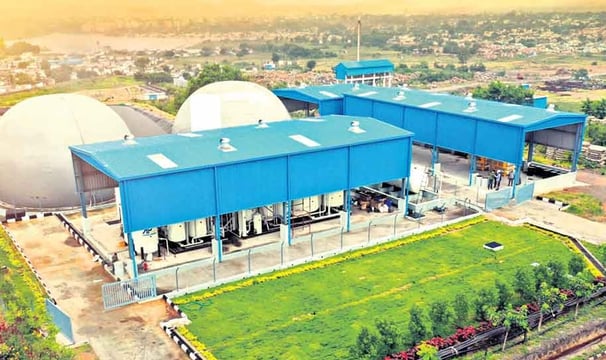
Biogas is the mixture of gases produced by the breakdown of organic matter in the absence of oxygen, usually consisting of certain quantities of methane and other constituents. Biogas can be produced from raw materials such as agricultural waste, manure, municipal waste, plant material, sewage, green waste or food waste. Biogas is a renewable energy source. In India, it is also known as "Gobar Gas". Biogas is produced by anaerobic digestion with methanogen or anaerobic organisms, which digest material inside a closed system, or fermentation of biodegradable materials. This closed system is called an anaerobic digester, biodigester or a bioreactor.
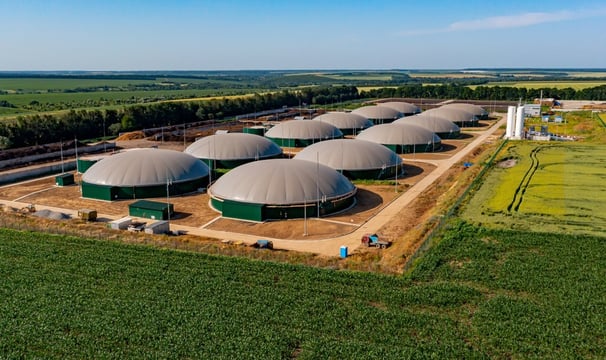
Biogas is primarily methane (CH 4) and carbon dioxide (CO 2) and may have small amounts of hydrogen sulfide (H 2S), moisture and siloxanes. The gases methane, hydrogen, and carbon monoxide (CO) can be combusted or oxidized with oxygen. This energy release allows biogas to be used as a fuel; it can be used for any heating purpose, such as cooking. It can also be used in a gas engine to convert the energy in the gas into electricity and heat. Biogas can be compressed, the same way as natural gas is compressed to CNG, and used to power motor vehicles. In the United Kingdom, for example, biogas is estimated to have the potential to replace around 17% of vehicle fuel. It qualifies for renewable energy subsidies in some parts of the world. Biogas can be cleaned and upgraded to natural gas standards, when it becomes bio-methane. Biogas is considered to be a renewable resource because its production-and-use cycle is continuous, and it generates no net carbon dioxide. As the organic material grows, it is converted and used. It then regrows in a continually repeating cycle. From a carbon perspective, as much carbon dioxide is absorbed from the atmosphere in the growth of the primary bio-resource as is released, when the material is ultimately converted to energy.
Ethanol Plant


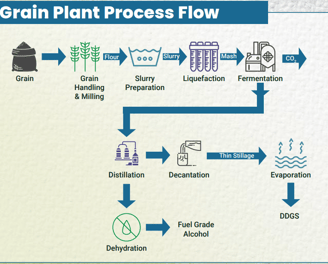
Fuel ethanol, also known as ethyl alcohol, is a renewable and clean-burning fuel that can be produced from various plant materials such as corn, sugarcane, and wheat. Fuel ethanol production plants play a vital role in producing this eco-friendly fuel, which can help reduce our dependence on fossil fuels and decrease greenhouse gas emissions. The production process of fuel ethanol includes several steps, including fermentation, distillation, and purification. In the fermentation process, enzymes and yeast are added to plant materials to convert sugars into ethanol and carbon dioxide. The distillation process separates the ethanol from other liquid and solid by-products of fermentation. And in the purification process, impurities are removed from the ethanol through filters and separators. At a fuel ethanol production plant, you will find a variety of equipment, including fermentation tanks, distillation columns, purification equipment, and storage tanks. These plants also have equipment for handling, processing, and storing raw materials, as well as waste management systems. In addition to producing fuel ethanol, these plants must also adhere to strict environmental regulations to minimize their impact on the environment.
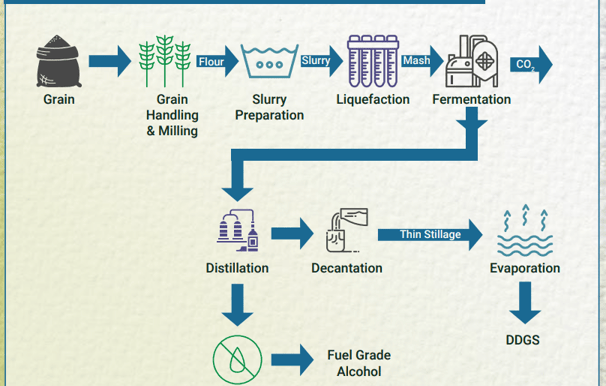
This includes controlling emissions, managing waste, and implementing sustainable practices such as recycling and conservation of resources. By choosing fuel ethanol as your source of fuel, you are not only reducing your carbon footprint but also supporting the growth of the renewable energy industry. With the increasing demand for sustainable energy solutions, fuel ethanol production plants are becoming a vital component in the transition to a greener future. If you’re interested in investing in or learning more about fuel ethanol production plants, Please contact us for mere information. We strive to provide the most up-to-date information on fuel ethanol production, as well as the latest developments in the industry.
Ethanol is a renewable fuel made from various plant materials collectively known as biomass. Typically, gasoline contains E10 (10% ethanol, 90% gasoline), which reduces air pollution. Ethanol ,which can be used in flexible fuel vehicles, designed to operate on any blend of gasoline and ethanol up to 85%.

What is Bio Fuel Pump?
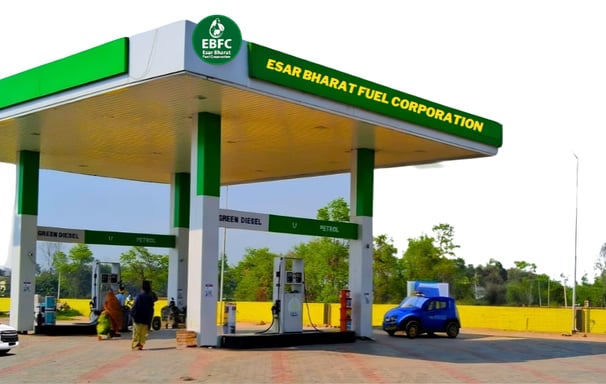
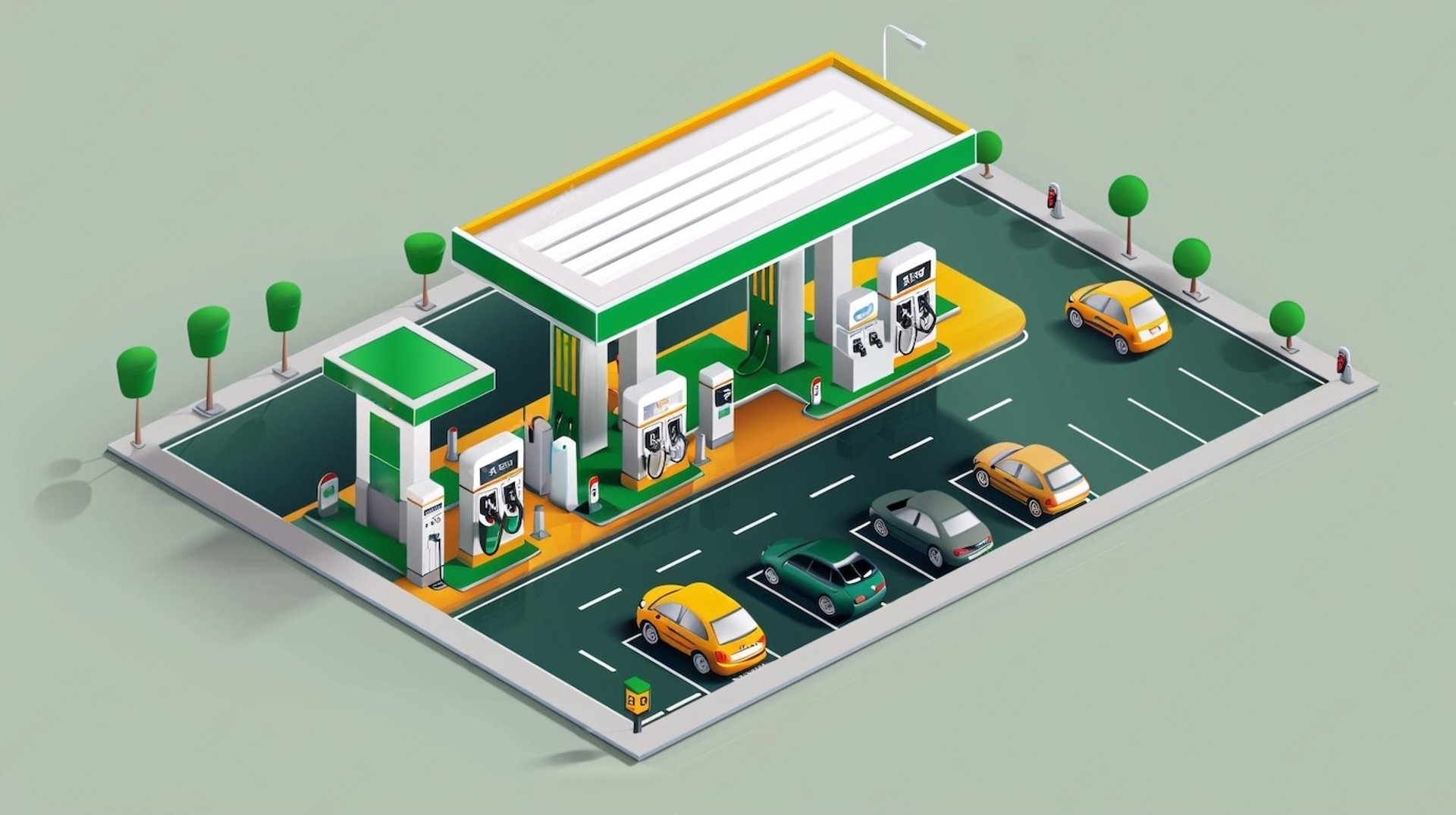
Bio Fuel Pump, also known as bioethanol, is a type of biofuel that is derived from organic materials such as sugarcane, corn, wheat, or other biomass sources. Through a process of fermentation and distillation, these raw materials are converted into ethanol, which can be blended with conventional petrol or used as a pure fuel. Bio Petrol is compatible with existing petrol engines and can be seamlessly integrated into the existing transportation infrastructure
Steps To Open Bio Fuel Plant/Pump
EBFC Business Partners/Franchise plan to start a Biofuel Project. EBFC groups will tie-up with Business Partners/Franchise in a unique model in which both parties will get benefited.In this model, Business Partners/Franchise Partner puts resources into Land, Infrastructure, Licenses and EBFC gives Project Design, Unique Business Model, Permission support, Brand Promotions with Business Operations Support.


Step 1
Application
Apply to become a Biofuel Plant/Pump Owner, Franchisee. Applicants need to apply online via website : esarbiofuel.com or Off-line to Email all relevant details and document on Email ID info@esarbiofuel.com




Step 2
Assessment
Step 3
Allotment
On receiving the application, EBFC Sales Team will get in touch with the applicant to assess their eligibility. They will then scrutinize the application, supporting documents, land area and location and applicant's financial background
Once the application is approved, EBFC will do contact agreement with the applicants to start Biofuel Plant/Pump at applicants land. Applicant should be asked to submit required documents, Bank Guarantee, Credit Franchisee fee.